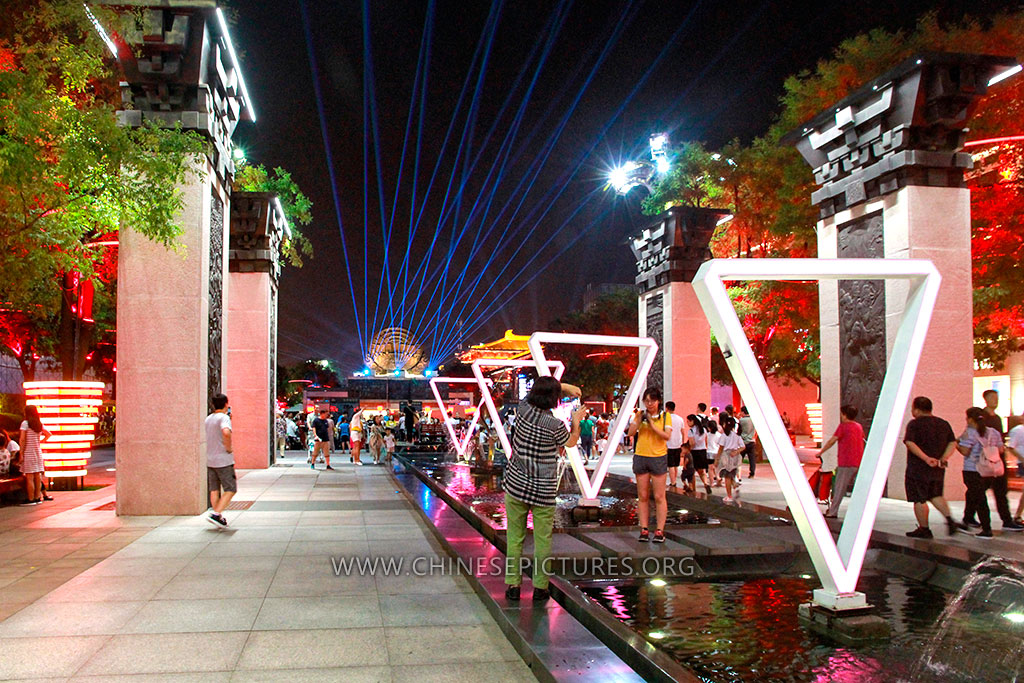
China's tourism performances generated over 13 billion yuan ($1.83 billion) in box office revenue during the first three quarters of this year, indicating robust development momentum, said Liu Kezhi, president of the China Association of Performing Arts, at a high-quality development conference on tourism performances held on Oct. 29.
In recent years, as culture and tourism have become increasingly integrated nationwide, many acclaimed and commercially successful tourism performance projects have emerged. The trend of "entering scenic areas to watch shows" is attracting growing numbers of visitors to both emerging destinations and traditional sites to discover new experiences.
Today's tourism performances have evolved far beyond simple entertainment at tourist attractions. They now serve as important vehicles for telling cultural stories, promoting in-depth culture-tourism integration, stimulating cultural and tourism consumption, and advancing comprehensive rural revitalization.
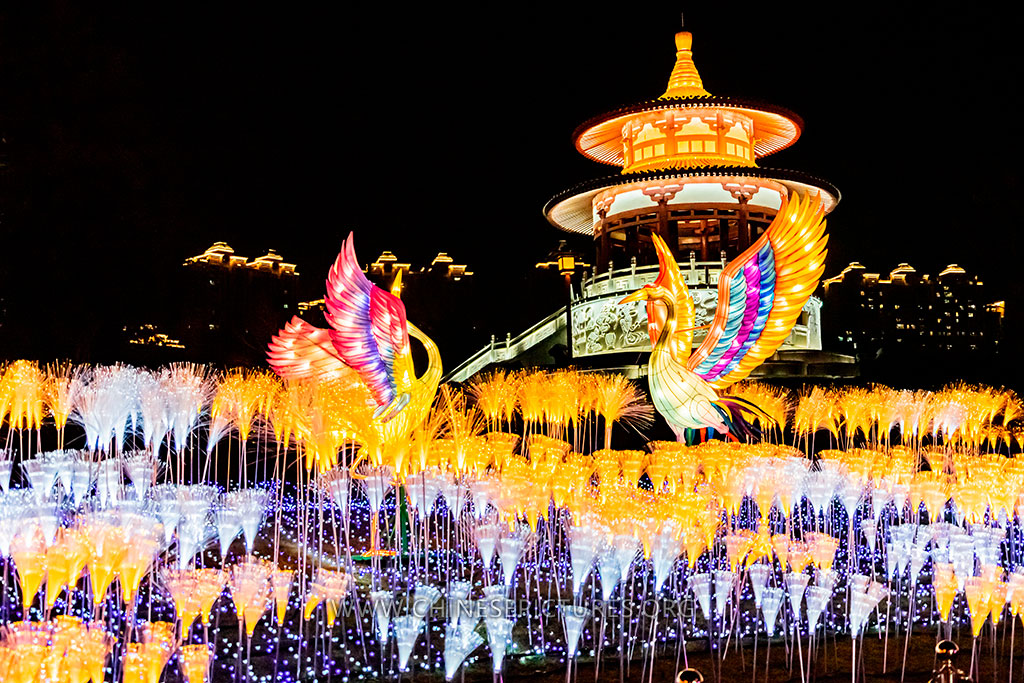
At Tang Paradise, a complex built on the site of an imperial garden dating back to the Tang Dynasty (618-907) in Xi'an, northwest China's Shaanxi Province, a spectacular performance unfolds as an actor recites "Qiang Jin Jiu" (Bring in the Wine), a famous poem by Li Bai, one of the greatest poets of the dynasty. Following the recitation, visitors can spot Li Bai aboard a small boat gliding across a lake.
"Lights projected onto a landmark tower before us, combined with a stunning water screen display, felt like stepping into a time tunnel," said Li Chen, a visitor from north China's Shanxi Province, who was immersed in the large-scale dance and light show "Chasing Dreams in the Tang Dynasty."
"We blend the culture of the Tang Dynasty's golden age with technological innovation and immersive experiences to build a tangible dreamscape of the dynasty," said Zhao Bin, performance management department manager at Tang Paradise.
Zhao sees the performance as breaking traditional stage boundaries by transforming the lake into a "natural stage" where spectators aboard boats become "dream seekers," immersed in the show.
"We have broken traditional viewing boundaries, giving visitors an immersive experience as if they were traveling through a painting," Zhao added. The show stages more than 150 performances annually on average, collectively attracting over 1 million visitors.
In Xi'an, the tourism performance boom continues with productions such as "The Great Qin," a stage play inspired by the epic history of the Qin Dynasty (221-206 B.C.); the musical "Sound of the Silk Road"; and the dance drama "The Song of Everlasting Sorrow," which depicts the tragic romance between Emperor Xuanzong of the Tang Dynasty and his concubine Yang Yuhuan.
These shows invite visitors to explore the ancient capital in new and engaging ways. In 2024, the city's 21 premium tourism performances were staged nearly 36,000 times and drew more than 16 million tourist visits, according to official data.
In Langya Ancient City, a scenic area in Linyi, east China's Shandong Province, the excitement continues after dark. As night deepens, visitors show no signs of slowing down, gathering before the stage for a show. During the 25-minute performance, waterfalls, fire displays, molten iron fireworks and light effects leave visitors breathless.