Manufacturing
- Details
- By David Cao
- Hits: 1305

Read more: World's first methanol dual-fuel VLCC "Kaituo" delivered in Dalian
- Details
- By David Cao
- Hits: 1158
China has made a new breakthrough in quantum computing, as its superconducting quantum computing prototype "Zuchongzhi 3.2" achieved quantum error correction below the fault-tolerance threshold on a surface code with a code distance of seven, according to a report by Science and Technology Daily.
The breakthrough demonstrated that logical error rates drop significantly as code distance increases, marking a key milestone for China in achieving quantum error correction that improves once the threshold is crossed.
Read more: China's superconducting quantum prototype 'Zuchongzhi 3.2' achieves key breakthrough
- Details
- By David Cao
- Hits: 1315
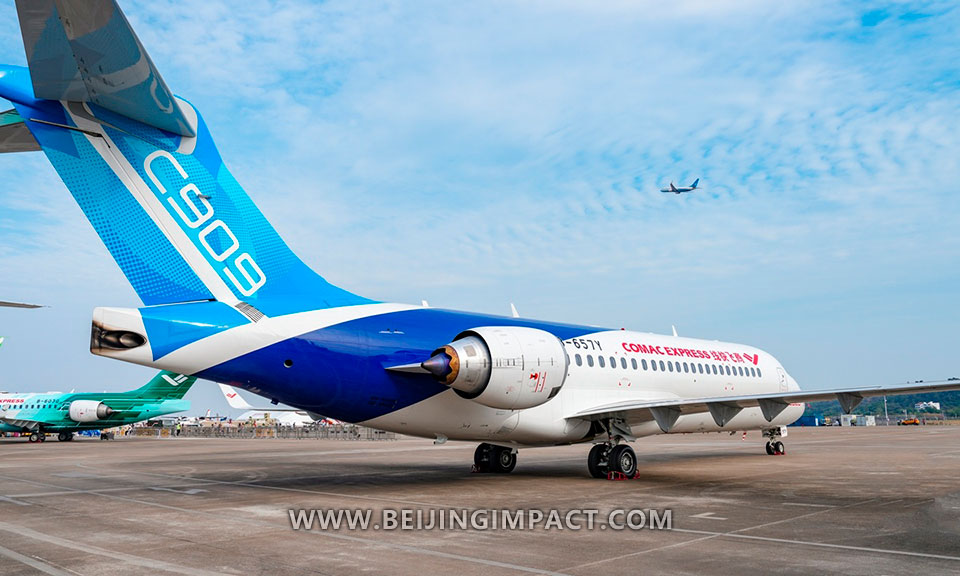
The Chinese-developed regional jetliner, the C909, has so far safely transported more than 30 million passengers, marking a major milestone for the country's civil aircraft industry. In aviation history, there is an unwritten benchmark: Only after delivering 100 aircraft and transporting 10 million passengers can a plane be said to have completed the transformation from an "industrial product" into a true commodity. To date, 175 C909 aircraft have been delivered, accounting for more than 60 percent of China's domestic regional aviation market, with operations extending to 12 countries. As a trailblazer in China's commercial aircraft sector, the C909 not only achieved the breakthrough of moving domestic passenger aircraft commercial operations from "0 to 1," but also paved the way for the development of larger homegrown aircraft such as the C919.
A good aircraft is not only built on the production line but also proven in the skies. Over nine years of commercial operation, the C909 has undergone comprehensive market testing. In China, the C909 serves nationwide trunk-to-regional route networks and has become a mainstay on frontier and remote routes. Overseas, the aircraft has been delivered to Indonesia, Laos and Vietnam, and has obtained airworthiness certification from the Brunei civil aviation authority. In civil aviation, where safety is regarded as a lifeline, "safely transporting 30 million passengers" is by no means a superficial marketing slogan, but a hard-earned answer that China's civil aircraft industry has delivered to the market.
Read more: C909 has paved the way for China’s large passenger jet
- Details
- By David Cao
- Hits: 1141
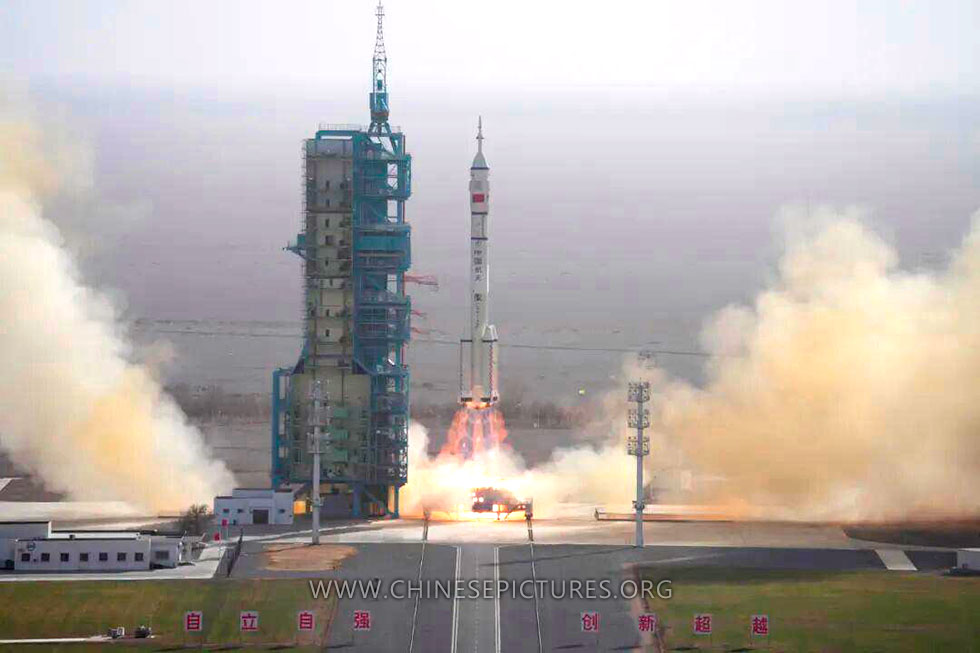
The uncrewed Shenzhou-22 spacecraft, China's first emergency launch in the history of its manned space program, docked with China's Tiangong space station on Tuesday, some three hours and 40 minutes after liftoff, according to the China Manned Space Agency (CMSA). The mission came after an unexpected incident occurred to Shenzhou-20 spacecraft, which was struck by space debris, disrupting its planned return.
China immediately activated emergency plans after the incident. Within 20 days, a series of maneuvers were accomplished including the launch of the Shenzhou-22 backup vehicle, presenting a "textbook model" for the international space community in effectively responding to unexpected emergencies.
Read more: China uncrewed Shenzhou-22 spacecraft was launched for emergency
- Details
- By David Cao
- Hits: 1379
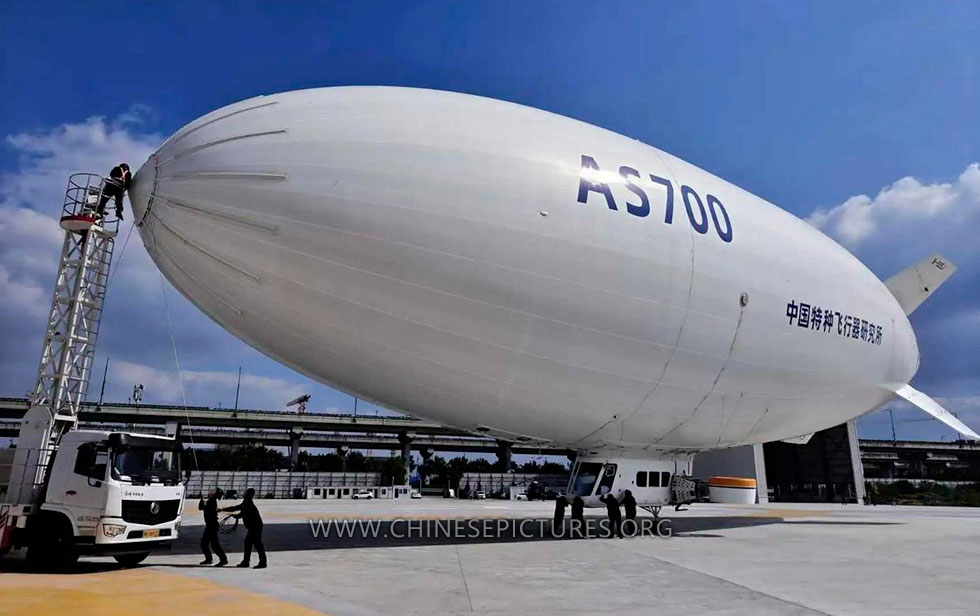
China's homegrown AS700 passenger airship "Xiangyun" has secured an 18-unit purchase contract from Zhejiang Airspace Integration Low-altitude Industry Development Co, the airship's developer told the Global Times on Tuesday, a milestone in the commercialization of China's manned airships and the development of the low-altitude economy.
The deal is the first major order following the announcement by the airship's developer - the Aviation Industry Corp of China (AVIC) on November 9 that the first AS700 in East China had been delivered.
Read more: China’s manned AS700 airship helps advance low-altitude economy
More Articles …
Page 2 of 60