Manufacturing
- Details
- By David Cao
- Hits: 657
China has launched the world's first mid-infrared solar magnetic-field telescope, the Accurate Infrared Magnetic Field Measurements of the Sun (AIMS), marking a major breakthrough in solar observation and sharpening humanity's ability to study the Sun.
Located atop Mount Saishiteng in Lenghu township, northwest China's Qinghai province at an elevation of over 4,000 meters, the AIMS telescope fills a global gap in mid-infrared magnetic-field observations. Its deployment also establishes a benchmark for building advanced astronomical facilities in high-altitude regions.
Read more: China unveils world's first mid-infrared solar magnetic-field telescope
- Details
- By Andrei Nedelea
- Hits: 1124
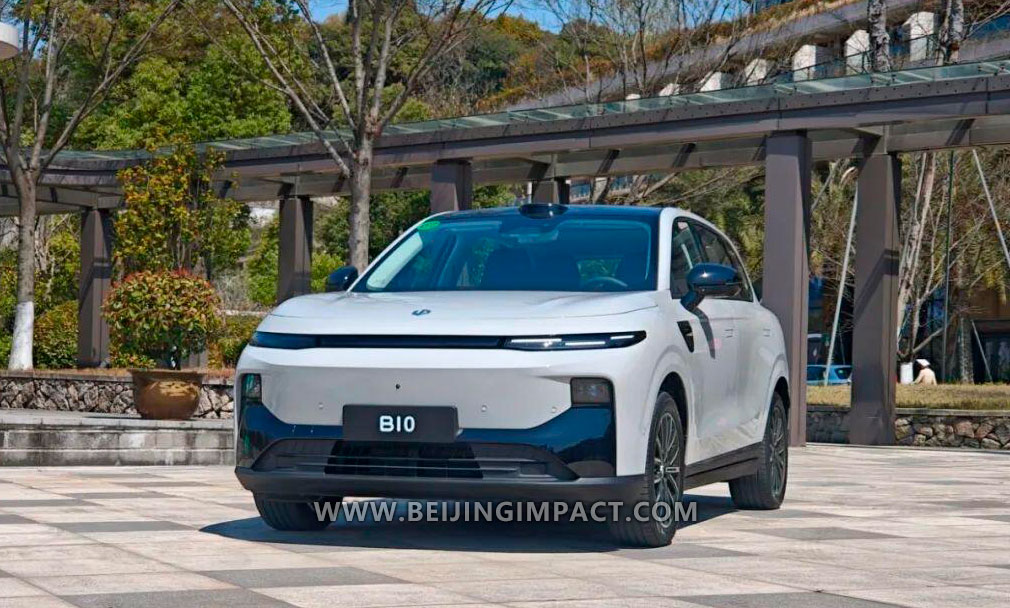
The Tesla Model 3 keeps its position as Europe’s safest car, but it too is made in China, and is followed by mostly Chinese cars.
Chinese cars were once notorious for their terrible safety ratings. But things have changed.
Taking a quick glance over the Euro NCAP rankings will bring you to a potentially startling conclusion: most of the safest cars available today in Europe come from Chinese manufacturers. The organization recently posted the results from a fresh batch of testing, which included 23 new cars, and the safest was a compact electric hatchback from China.
Read more: The Safest Cars On Sale In Europe Now Are Chinese EVs
- Details
- By David Cao
- Hits: 1088
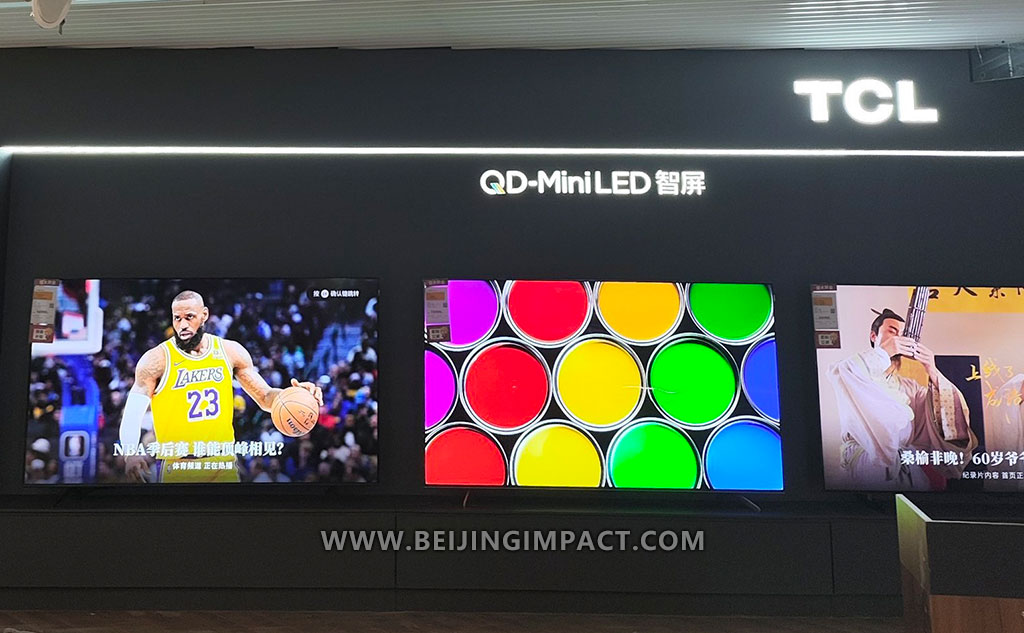
Recent data from the China Center for Information Industry Development show that China now accounts for 55 percent of the global market for display panels and 43 percent for display materials, ranking first worldwide in both categories. The total output of China's display industry represents nearly half of the global market.
As a key pillar of advanced manufacturing, China's display industry began to take shape in the late 20th century. Just over a decade ago, however, the country remained heavily reliant on imports of advanced chips and high-end display panels -- the latter ranking as China's fourth-largest import category at the time. Chinese domestic manufacturers faced significant challenges, lacking bargaining power in a sector dominated by a few multinational firms. High costs and supply constraints were common, with local companies often forced to queue for access to critical components.
- Details
- By David Cao
- Hits: 1061
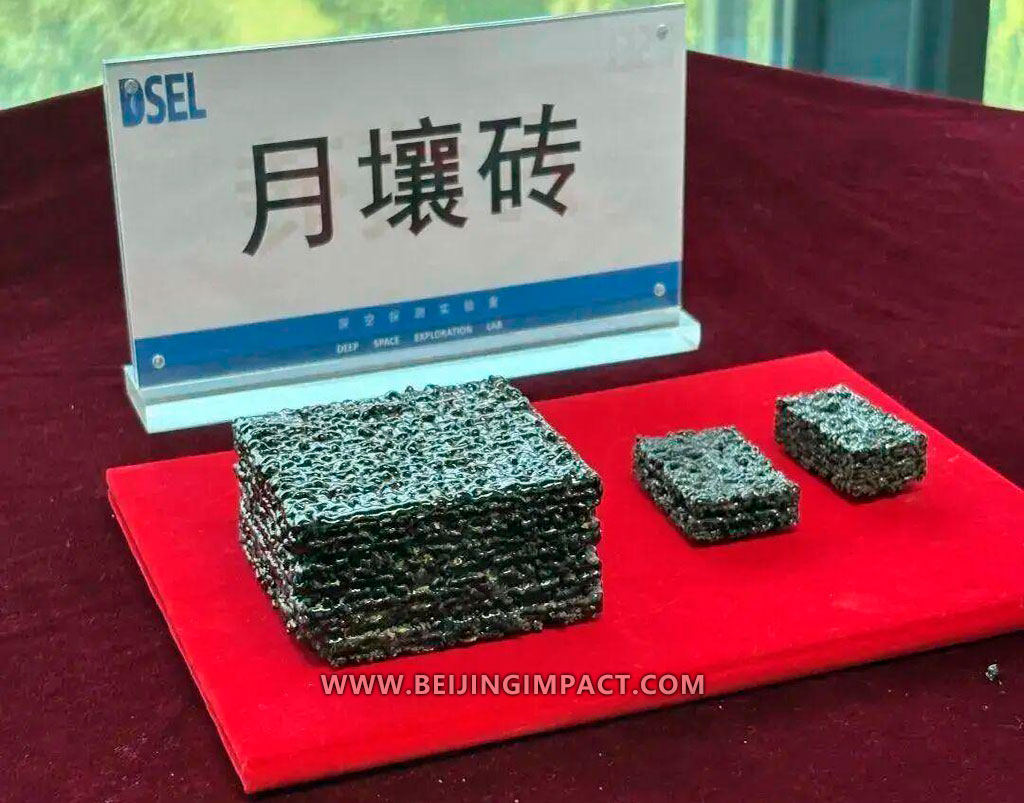
China has inched closer toward its ambitious goal of building infrastructure on the moon, as the first set of experimental "lunar soil bricks" returned to Earth after a year-long exposure to the harsh environment of space.
The bricks, part of a pioneering experiment aboard China's space station, arrived last week on the Shenzhou XXI spacecraft. Experts confirmed that the sample unit was in good condition following initial inspections.
Read more: Chinese 'lunar soil bricks' paving way for construction on moon
- Details
- By David Cao
- Hits: 284
Chinese scientists have reported a major advancement in boosting both the efficiency and stability of perovskite solar cells, a step researchers say could help move the promising technology closer to large-scale industrial use.
A team led by You Jingbi, a professor from the Chinese Academy of Sciences' Institute of Semiconductors, said it has identified an additive that can raise the power conversion efficiency of perovskite solar cells to 27.2 percent. The devices also kept 86.3 percent of their initial efficiency after running continuously for 1,529 hours, about 63 days, at the maximum power point under standard sunlight — a sign of improved durability. The findings were published recently in the journal Science.
More Articles …
- All-Solid-State Battery Commercialization Timeline Sparks Debate at 2025 World Power Battery Conference
- China's major steelmakers achieve new record 9-month profit in 4 years
- China’s T1400 Autonomous Tandem Helicopter: Redefining Uncrewed Cargo Systems in the Global Race
- China Launches Shenzhou-21 Mission: Pioneering Rapid Docking and Multigenerational Space Exploration
Page 3 of 60